

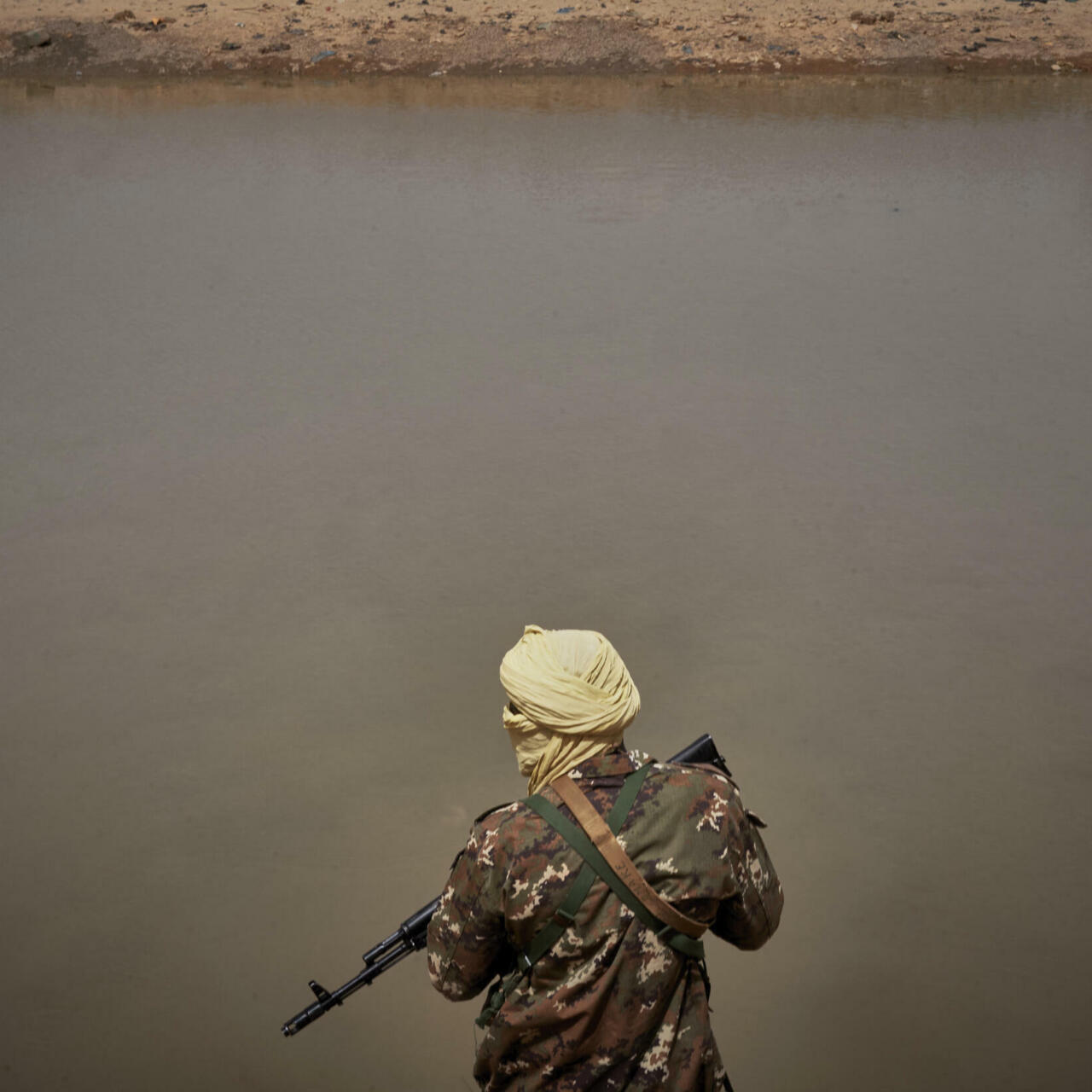
An Al-Qaeda-linked group claimed responsibility for a major attack on a Mali army post, where soldiers defended vigorously before withdrawing as militants seized the base.
Al-Qaeda-linked militants from the Jama’at Nusrat al-Islam wal-Muslimin (JNIM) coalition have mounted some of their heaviest attacks of the year against Mali’s army, storming and in at least one case overrunning a key base near the Burkina Faso border.
What happened
Recent reports describe a large-scale assault on the Boulkessi military base in central Mali, where dozens of soldiers were killed and many more wounded when JNIM fighters attacked the camp and ultimately seized control. Mali’s army said troops “responded forcefully” and defended the position before withdrawing in what it called a tactical retreat, while local sources reported that surviving soldiers were captured and the camp “cleared” by the jihadists.
Who is responsible
Officials and analysts attribute the attack to JNIM, an umbrella group that brings together several Sahel jihadist factions aligned with al-Qaeda. JNIM has claimed responsibility for the raid and for other near-simultaneous strikes on military targets, including attacks in or near Timbuktu, as part of a broader campaign to weaken state control in Mali.
Casualties and damage
Local civil society and security sources say the Boulkessi assault alone left at least several dozen Malian soldiers dead and many others injured, although exact figures vary and are still not fully confirmed by authorities. The militants are reported to have seized weapons, vehicles, and other equipment from the overrun base, further strengthening their operational capabilities in the region.
Wider pattern of attacks
The storming of the Mali army base forms part of a wider wave of jihadist operations in the Sahel, with coordinated or follow‑on attacks on other posts and on the outskirts of key towns. Security sources note that Mali has faced repeated major assaults on its forces in recent months, underlining the growing reach and confidence of al‑Qaeda‑linked fighters and other extremist groups.
Context and implications
Mali’s military junta, in power since 2020, has struggled to contain jihadist violence after the departure of most Western forces and the drawdown of UN peacekeepers. The latest base seizure will likely raise fresh questions about the army’s ability to secure remote regions, heighten civilian fears, and could push more communities to negotiate local arrangements with armed groups in the absence of reliable state protection.


Comments (0)
Leave a Comment
No comments yet. Be the first to comment!